Top 8 Safe Driving Tips
Master essential car safety practices and vehicle maintenance to protect yourself and others on the road
Master the Fundamentals
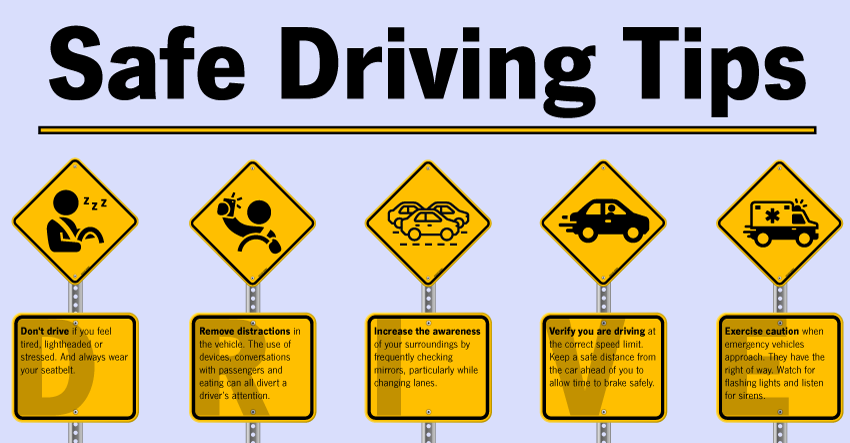
Safe driving is not just about following rules—it's about developing good habits and understanding the mechanics of your vehicle. By mastering these eight essential tips, you'll significantly reduce your risk of accidents and ensure a safer driving experience for everyone on the road.
Why These Tips Matter
Road accidents are one of the leading causes of injury and death. Most accidents are preventable through proper driving techniques and vehicle maintenance. These tips are based on best practices from road safety organizations worldwide.
The 8 Essential Safety Tips
1. Plan Your Journey & Avoid Distractions
Before you start driving, plan your route and ensure you're well-rested. Once on the road, focus entirely on driving. Put your phone away, avoid eating or drinking, and keep your attention on the road and traffic conditions. Distractions are one of the leading causes of accidents.
- Check weather and traffic conditions before leaving
- Silence your phone or use hands-free mode only
- Avoid adjusting the radio or GPS while driving
- Never text or read messages while driving
2. Maintain Proper Speed Limits
Speed limits exist for a reason. Driving at appropriate speeds for road and weather conditions gives you more time to react to hazards and reduces the severity of accidents. Always adjust your speed based on visibility, road surface, and traffic density.
- Follow posted speed limits
- Reduce speed in residential areas and school zones
- Adjust speed for rain, fog, or poor visibility
- Slow down on curves and unfamiliar roads
3. Check Your Mirrors & Blind Spots
Before changing lanes or turning, always check your mirrors and look over your shoulder to check blind spots. Many accidents occur because drivers don't see other vehicles. Make mirror checks a habit every few seconds while driving.
- Adjust mirrors before starting to drive
- Check mirrors regularly while driving
- Always look over your shoulder before changing lanes
- Use turn signals well in advance
4. Maintain Safe Following Distance
Keep at least a 3-second gap between your vehicle and the one ahead. This gives you enough time to brake safely if the vehicle ahead stops suddenly. In adverse weather or at higher speeds, increase this distance to 5-6 seconds.
- Use the 3-second rule in normal conditions
- Increase distance in rain, fog, or snow
- Never tailgate other vehicles
- Be extra cautious around large trucks
5. Regularly Check Your Belts & Hoses
Your vehicle's belts and hoses are critical components that keep your engine running smoothly. Rubber drive belts connect various engine parts and can wear out over time. Check them every 50,000 km and replace them at 80,000-100,000 km to prevent engine failure.
- Inspect belts for cracks and wear
- Check hose connections for leaks
- Replace belts according to manufacturer recommendations
- Listen for squealing sounds indicating belt wear
6. Monitor Oil & Coolant Levels
Engine oil lubricates your engine and should be checked regularly. Your vehicle should be parked on level ground before checking. Oil should be at the middle of the two points on the dipstick. Coolant prevents engine overheating and should be checked when the engine is cold. Never open the radiator cap when the engine is hot.
- Check oil level monthly
- Change oil at recommended intervals
- Check coolant level regularly
- Never open radiator cap when engine is hot
7. Check Tire Pressure & Condition
Proper tire pressure ensures your vehicle moves efficiently and safely. Check tire pressure weekly when tires are cold. Underinflated tires can cause poor handling and increased fuel consumption. Overinflated tires reduce traction. Inspect tires for wear, damage, and proper tread depth.
- Check pressure weekly with a tire gauge
- Refer to your vehicle's manual for correct pressure
- Inspect tread depth regularly
- Replace tires showing signs of damage
8. React Safely to Hazards
Anticipate potential hazards and react calmly. If you encounter an obstacle, brake smoothly rather than swerving. Keep both hands on the wheel and maintain control. In emergency situations, stay calm and focus on regaining control of your vehicle.
- Scan the road ahead for potential hazards
- Brake smoothly and gradually
- Avoid sudden swerving movements
- Keep both hands on the steering wheel
Regular Vehicle Maintenance Checklist
Monthly Checks
- Check oil level
- Check tire pressure
- Test all lights
- Check windshield wipers
- Inspect brakes
Every 6 Months
- Change engine oil
- Rotate tires
- Check battery
- Inspect suspension
- Check fluid levels
Annually
- Full vehicle inspection
- Check alignment
- Inspect brakes thoroughly
- Check air filter
- Professional service
As Needed
- Replace worn tires
- Replace brake pads
- Fix any warning lights
- Repair damage
- Replace belts/hoses
Need More Information?
Contact Us
Have questions about safe driving or vehicle maintenance? Our team is ready to help with expert advice and guidance.
- Email: hello@panducermat.org.my
- Response Time: Within 24 hours
- Available: Monday - Friday, 9AM - 5PM